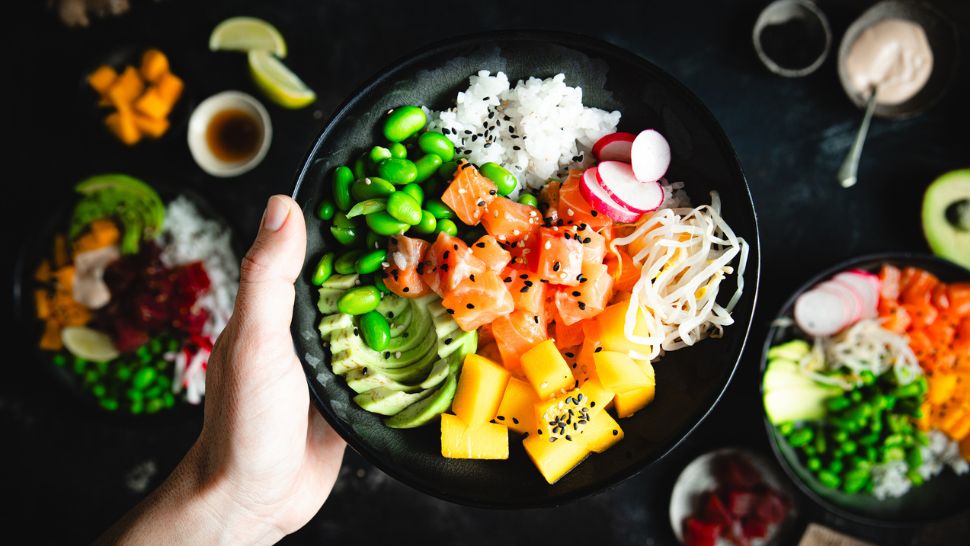
Eating a wide variety of colorful foods is one of the easiest ways to boost the nutritional value of your meals. The nutrients found in foods that come from the earth — fruits, vegetables, whole grains, nuts, seeds, and legumes — are known as phytonutrients and they not only give foods their vibrant hues, but they also have a synergistic effect, meaning they work together to provide a greater benefit than, say, a supplement of one vitamin or mineral. These nutrients support your body from immune function to heart health and you can reap the benefits by eating a variety of these foods each day. Use these ten tips to help you add more color and nutrients to your plate.
- Start with the basics. Choose three to five different brightly colored fruits and vegetables to include in your meals and snacks each day. These foods provide a variety of nutrients that work together to support your health.
- Be adventurous. Going outside of your comfort zone and usual grocery routine, can lead to interesting new finds and incredible flavors. Visit your local farmers’ market for seasonal, fresh produce that you may not have tried before. Think purple cauliflower, rainbow chard, or less common fruit and vegetable varietals. Seasonal produce can add diversity, color, vitamins, and minerals to your meals.
- Get spicy! Herbs and spices do more than just enhance flavor – they add vibrant colors and nutrients to your meals. From the golden hue turmeric adds to your curry to the contrast of green from freshly chopped parsley – they make our foods pop. Not only do they provide antioxidants, but also a fresh burst of flavor.
- Go bean-anza! Legumes like beans, lentils, and chickpeas are sources of protein, fiber, and essential nutrients that come in many different varieties and colors. Try sprinkling them on salads, making plant-based dips, adding them to soups or stews, or get creative and use them in desserts or snacks.
- Don’t hate whole grains. Whole grains such as quinoa, bulgur, farro, and brown rice help support digestion and overall health with fiber, vitamins, and minerals. Even though they aren’t as colorful, whole grains are like a blank canvas, you can pair them with a variety of other foods to brighten up your plate.
- Go nuts! Add nuts to entrées, salads, and cereal, or eat a small handful of nuts as a snack. Nuts are nutrient-dense and provide fat, protein, and essential minerals while also adding color, flavor, and crunch to your meals.
- Pickled everything. Pickling preserves the vibrant hues of vegetables like cucumbers, beets, and carrots while enhancing their flavors with tangy, zesty notes. The colorful add-ons not only brighten the flavor and color of your plate but help support digestion. The fermentation process introduces probiotics, which help support a thriving gut microbiome. So, whether you toss pickled onions into a salad or layer pickled beets on a sandwich (just to name a few), enjoy the tangy bite that pickled produce has to offer.
- Seasonal berries for the win. Reap the benefits of seasonal fruits all year round by picking them up during their peak season and freezing extra so you can enjoy their flavor and health benefits all year. Add them to your yogurt or cereal for breakfast or eat them as a snack.
- Tomato, tomahto. Enjoy more tomato-based soups, sauces, and other cooked tomato products. Tomatoes are a great source of lycopene, a powerful antioxidant, but it is better absorbed when tomatoes are cooked. So, enjoy your fresh tomato sauce or tomato soup when you need a little comfort and know that you are reaping the nutritional benefits.
- Cooked vs. uncooked? Some nutrients are easier to absorb when the food is cooked and others when food is raw. For example, raw leafy greens are a source of vitamin C but cooking them helps absorb nutrients like calcium and iron. Switch up your cooking methods – enjoy salads, smoothies, and fresh veggies, but also try roasting, steaming, or sauteing and enjoy the different textures and colors that these cooking methods create.
Incorporating colorful foods into your meals is a simple and delicious way to support your health. By experimenting with fruits, vegetables, whole grains, legumes, and spices, you will not only be adding vibrant colors to your plate but also helping your body feel and perform at its best.