The perfect poached egg: tender, fully cooked whites, and a vibrant, runny yolk. What better companion to a piece of toast? While this delicate cooking method is simple, many cooks find perfection hard to achieve. Too little time, and you can end up with whites that are unpleasantly jiggly. Too much time, and the yolks may stand at attention, too stiff to run. And that’s not the end of it. Water that’s too cool (or too hot) will cause ragged threads of egg white to spread across the pan in a swarm. While adding vinegar and salt to the water can speed the egg whites’ coagulation, it can also contribute to shredded edges and create a film over the outside of the egg. But, poached egg lovers need not fear. A little practice and a few basic tricks will take you to tender poached perfection. Using fresh eggs, keeping the water simmering at a steady 200℉ — hot enough to coagulate the whites quickly without the water coming to a boil — and using a kitchen timer will help you achieve consistent, heavenly results every time.
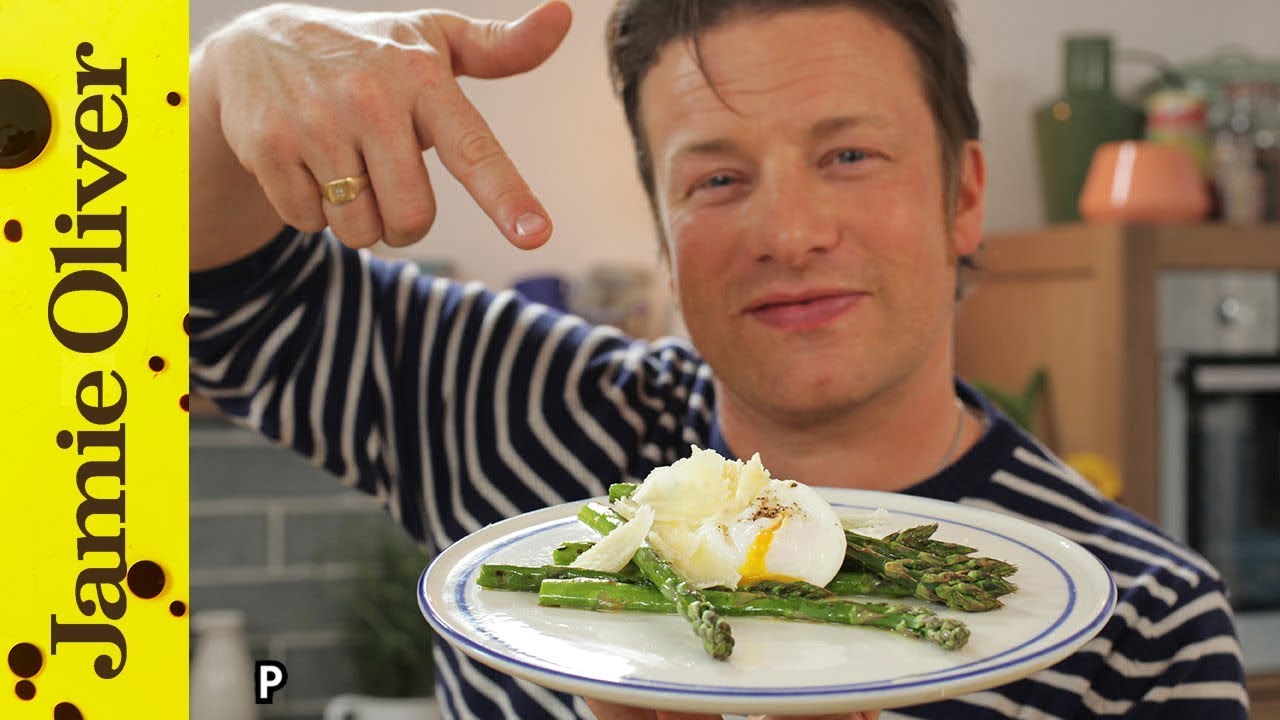
Click the image below to watch a short video about three methods for achieving poached egg nirvana.

Cooking is an Art and a Science celebrates the essential elements of cooking. Browse our online library of videos to learn culinary terms and simple techniques. Then, look for Cooking is an Art and a Science menu items in your Bon Appétit café. It’s a delicious way to discover the craft behind your cuisine.